Day: 23 February 2026

Spanish Property Market

Entering 2026 with Confidence

As 2026 begins, the Spanish Property Market continues to outperform expectations across Europe. Following a record-breaking 2025, marked by rising home values and high transaction volumes, Spain’s real estate sector remains one of the most closely watched in the EU. Coastal regions like Orihuela Costa and the broader Costa Blanca are especially attractive to international buyers seeking lifestyle, value, and long-term investment potential. With strong fundamentals and sustained demand, the Spanish Property Market enters the new year with momentum and resilience.

Price Trends and Forecasts for 2026

According to the Instituto Nacional de Estadística (INE), property prices in Spain rose 12.8% in 2025, with the Valencian Community seeing a 13.2% increase. These figures far exceeded early forecasts, including CaixaBank’s modest 4% projection. For 2026, Bankinter anticipates a 7% rise in national house prices, while Fitch Ratings expects growth between 8% and 10%, driven by limited housing supply and slow delivery of new builds. In Costa Blanca, prices are forecast to rise 5–8%, with Costa Blanca South and Orihuela Costa offering better value than their northern counterparts. This positions the Spanish Property Market as a top performer in Europe, ahead of Germany, France, and the UK.

Economic Strength and Investor Confidence

Spain’s economy continues to show robust growth, prompting Fitch to upgrade its sovereign rating to ‘A’ with a stable outlook. This economic stability supports the Spanish Property Market’s long-term trajectory. Investors are increasingly confident in Spain’s ability to deliver consistent returns, especially in high-demand coastal areas. With price levels expected to rival those in the Netherlands by 2027, Spain remains a strategic choice for both lifestyle buyers and portfolio investors.

Buyer Strategy: Why Waiting May Backfire

In 2026, waiting for a dramatic price drop is unlikely to yield results. The Spanish Property Market is defined by a persistent supply-demand imbalance. In Orihuela Costa and Costa Blanca, resale listings continue to decline while buyer interest grows. Domestic population growth and household formation trends add pressure, especially in areas with limited new construction. For buyers, this means acting decisively in well-connected, high-demand zones is essential.

Supply Constraints and Development Challenges

Across Spain, developers face ongoing challenges. A shortage of licensed building land and complex administrative processes slow the pace of new housing delivery. These constraints push prices higher, particularly in coastal regions where land is scarce and demand is strong. In 2026, the Spanish Property Market will continue to grapple with these structural issues, reinforcing the value of existing homes and well-positioned resale properties.

Costa Blanca and Orihuela Costa: Lifestyle Meets Accessibility

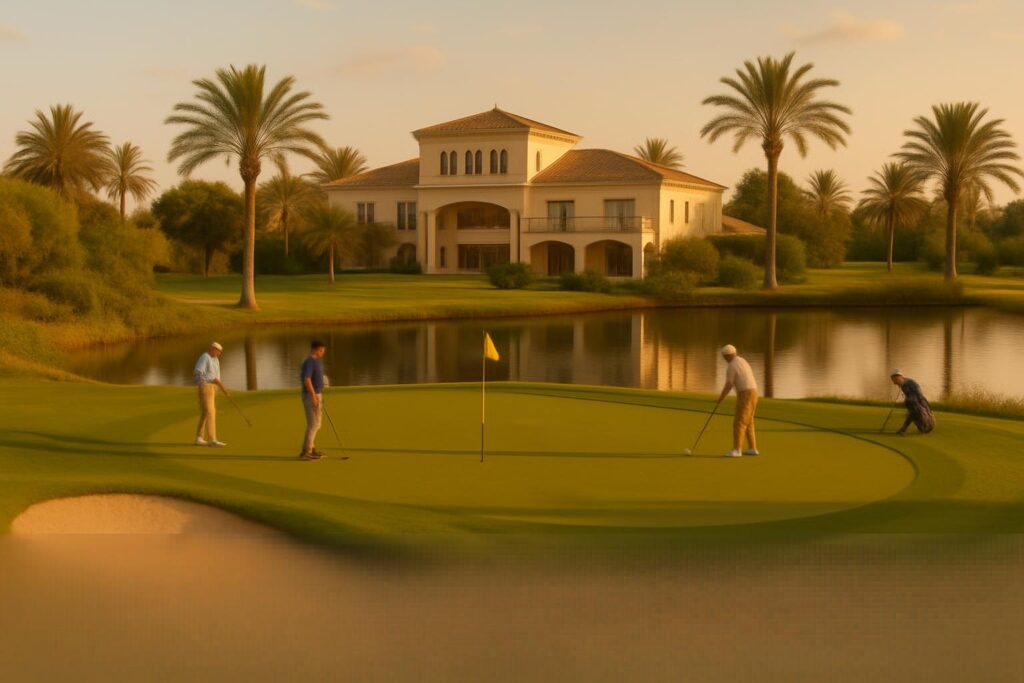
Costa Blanca and Orihuela Costa continue to be the top preferred destinations for international buyers in 2026. The excellent flight connections to both Alicante and Murcia airports, combined with their relatively short travel times from major European cities, make these areas incredibly accessible and convenient for travelers and property owners alike. The region’s attractive Mediterranean climate, lively and welcoming expat communities, and a wide variety of property options—from stunning beachfront apartments to luxurious golf-side villas—ensure that demand remains strong and consistent. These regions present a highly appealing combination of lifestyle benefits, affordability, and promising investment potential, making them standout choices within the broader Spanish Property Market.

Key Drivers of the Spanish Property Market

International Demand: Buyers from the UK, Germany, Netherlands, and Scandinavia continue to drive interest in Spanish coastal homes

Accessibility: Regional airports and efficient transport links make Costa Blanca and Orihuela Costa easy to reach year‑round

Limited Supply: Land shortages and bureaucratic delays restrict new development, increasing pressure on resale prices

Affordability Shifts: Buyers are moving from high‑priced areas like Costa Blanca North to more affordable zones like Orihuela Costa

Spanish Property Market – Seller Strategy for 2026

Market Globally: Use multilingual listings and strong visuals to attract international buyers

Price Smartly: Align asking prices with property condition, location, and current market data

Prepare Early: Resolve legal issues and gather documentation before listing to avoid delays

Spanish Property Market – Buyer Strategy for 2026

Act Quickly: Desirable properties in prime areas won’t linger. Be ready to move fast.

Check Legal Clarity: Ensure title deeds, community rules, and rental permissions are in order.

Focus on Essentials: Prioritize layout, outdoor space, parking, and proximity to amenities.

Final Thoughts: Stability and Opportunity

The Spanish Property Market in 2026 presents a unique and rare combination of stability and exciting opportunity. With consistently strong price growth, an enduring lifestyle appeal that attracts buyers year after year, and a limited supply of available properties, popular regions such as Orihuela Costa and Costa Blanca continue to stand out as some of the best options for both homebuyers and investors. Whether your goal is to find a permanent residence, secure a holiday home, or invest in a rental asset, Spain’s coastal real estate market remains a reliable source of long-term value and potential growth for a wide range of property seekers.
Interesting links

Play Golf in Spain

Property in Spain

Financial Institutions Spain

Banks in Spain

Costa Almeria

Spain’s Quiet Coastal Gem

The Region

The coastline stretches across 217 kilometers of southeastern Spain, from Pulpí near Murcia to Adra bordering Granada. This coastal ribbon includes 13 municipalities, each offering a unique blend of Mediterranean charm, cultural depth, and natural beauty. With its tranquil beaches and sun‑drenched landscapes, Costa Almeria remains one of Andalusia’s most authentic coastal regions.

Along the route, well‑known coastal towns such as Vera, Mojácar, Garrucha, and Roquetas de Mar add character and variety. Each destination brings its own atmosphere, from Vera’s wide sandy beaches to Mojácar’s whitewashed hillside village, Garrucha’s fishing traditions, and Roquetas de Mar’s lively seaside promenades.

The region is also divided into three distinct comarcas, each shaping the identity of Costa Almeria in its own way. Levante Almeriense offers rugged coastlines and charming villages. The Comarca Metropolitana de Almería blends urban energy with historic heritage. Poniente Almeriense features fertile plains, modern resorts, and long stretches of coastline. Together, they create a diverse and inviting Mediterranean landscape.

Costa Almeria – Tourism and Destinations

Tourism in this area has experienced consistent and steady growth over the years, largely due to its inviting warm climate and a wide variety of attractions that appeal to many different types of visitors. Originally, the region was promoted as part of the Costa del Sol back in 1928; however, over time, the name gradually shifted to focus more on Málaga, which allowed Costa Almeria to develop and define its own unique identity and charm. Nowadays, travelers from all over the world are drawn to popular destinations such as Vera, Mojácar, Roquetas de Mar, and El Ejido, all of which are celebrated for their laid-back atmosphere and picturesque coastal landscapes. Additionally, nature enthusiasts have plenty to explore with stunning natural parks like Cabo de Gata-Níjar and Punta Entinas-Sabinar, while the Isla de Alborán offers a secluded and pristine marine escape, perfect for those seeking tranquility and unspoiled beauty.

Historical Legacy

Costa Almeria holds centuries of deeply layered and fascinating history. Prehistoric cultures such as Los Millares and El Argar left behind striking and well-preserved archaeological remains that reveal much about early human life in the region. Over the centuries, the Phoenicians, Greeks, and Romans mined the rich land and engaged in extensive trade along its picturesque shores, shaping the cultural and economic landscape. In the 10th century, the Moors founded the city of Almería as a prominent capital, establishing and ruling over one of Spain’s most influential and powerful taifas. Their remarkable legacy continues to live on today in the form of impressive castles and fortresses scattered throughout the landscape, offering valuable insight into past societies, their achievements, and the resilience they demonstrated through changing times.

Natural Landscapes

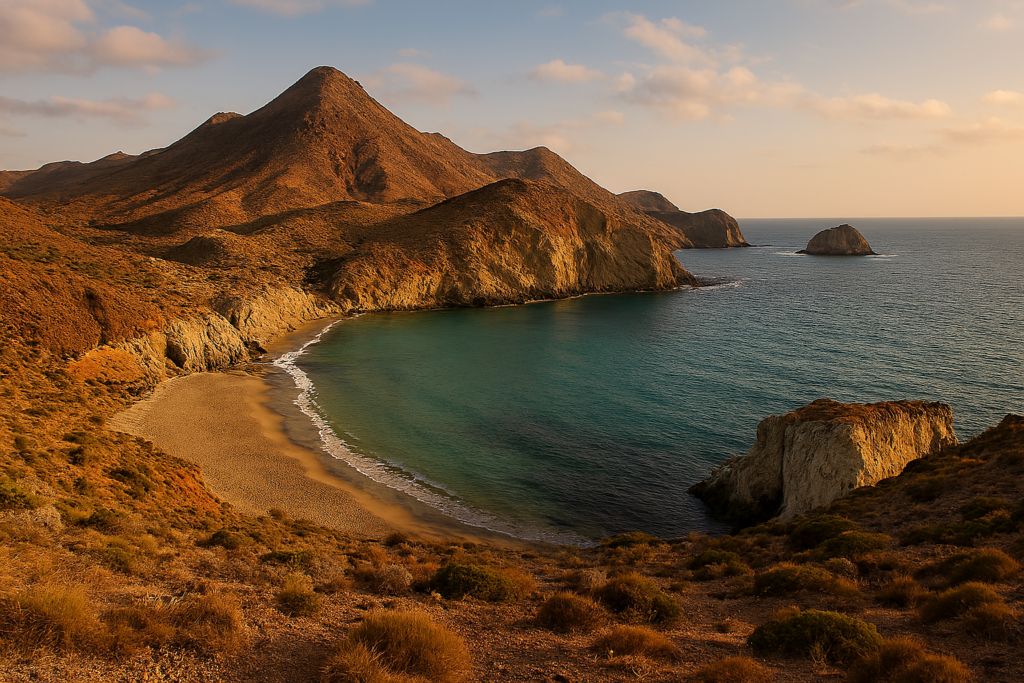
The region’s terrain is as varied as its history. Snow-capped sierras, Mediterranean forests, desert plains, and wild beaches coexist in harmony. The Sierra María-Los Vélez Nature Reserve features ancient caves, a hilltop castle, and rich biodiversity. Meanwhile, Cabo de Gata-Níjar stuns visitors with its volcanic cliffs, transparent sea beds, and untouched coves. Costa Almeria invites travelers to experience snow, desert, and sea — often in a single day. The Cabo de Gata area reveals one of Spain’s most dramatic coastal landscapes. Low volcanic mountains rise above a coastline carved into cliffs, coves, and hidden beaches. The region is known as one of the driest places in Europe, and its sub‑desert climate shapes the rugged scenery. Yet along the shore, you still find stretches of soft sand, quiet lagoons, and calm turquoise water. Offshore, tiny rocky islets and vibrant coral reefs create a haven for marine life.

The Sierra del Cabo de Gata mountain range dominates the horizon, with El Fraile standing as its highest peak. These volcanic formations display striking red and ochre tones, giving the land an almost otherworldly character. The mountains drop sharply into the Mediterranean, forming jagged cliffs that reach nearly 100 meters in height. Deep gullies cut through the rock, opening into secluded coves and bright, white-sand beaches that feel untouched and wild.

Cultural and Architectural Heritage

Beyond its stunning natural landscapes, Costa Almeria reveals its true soul through its rich architecture and deeply rooted traditions. Charming whitewashed villages cling gracefully to rugged hillsides, creating picturesque scenes, while the vibrant coastal towns showcase a captivating blend of Moorish and Andalusian architectural styles. Historic churches, ancient watchtowers, and buildings from the mining era stand as enduring symbols that reflect the region’s complex and layered past. Local festivals, traditional cuisine, and handcrafted arts continue to preserve and celebrate this unique cultural identity, offering visitors an authentic and immersive taste of the vibrant life and heritage of southern Spain.

Why the Costa Almeria Stands Apart

Unlike the more heavily commercialized and crowded coastal areas, Costa Almeria provides a unique sense of serenity, genuine authenticity, and plenty of space to breathe and relax. Its breathtaking landscapes remain largely untouched by mass tourism, while the charming towns maintain a warm, welcoming atmosphere without feeling overdeveloped or spoiled. Whether you are in search of peaceful, quiet beaches, rich historical depth, or awe-inspiring natural wonders, Costa Almeria offers a slower, more unhurried rhythm that allows for a deeper, more meaningful connection to the true essence of Spain’s vibrant Mediterranean soul.

Interesting links

The city of Almeria

Andalusia

Landscapes in the province of Almeria

El Fraile

Play Golf in Spain

Golf Courses